Показаны сообщения с ярлыком Animal. Показать все сообщения

воскресенье, 9 октября 2011 г.

Rare Sea Horses Found in the River Thames

Evidence of a colony of rare sea horses has been discovered in the Thames, the Eviroment Agency said.
The short-snouted sea horse, which grows up to 6in long, is more commonly found in the waters of the Mediterranean and Canary Islands.
It has often been a visitor to coastal waters around Britain but the agency said it had never been found so far upriver.
The sightings during a routine fisheries survey at Greenwich suggest there may be permanent populations in Britain and that the sea horses, which mate for life after elaborate courtship rituals, may be breeding in the Thames. Emma Barton, a fisheries officer at the Environment Agency, said: "The sea horse we found was only a juvenile, suggesting that they may be breeding nearby.
"This is a really good sign that sea horse populations are not only increasing but spreading to locations where they haven't been seen before.''
She added: "We hope further improvements to water quality and habitat in the Thames will encourage more of these rare species to take up residence.''
Source: Click Here

Rare Sea Horses Found in the River Thames

Evidence of a colony of rare sea horses has been discovered in the Thames, the Eviroment Agency said.
The short-snouted sea horse, which grows up to 6in long, is more commonly found in the waters of the Mediterranean and Canary Islands.
It has often been a visitor to coastal waters around Britain but the agency said it had never been found so far upriver.
The sightings during a routine fisheries survey at Greenwich suggest there may be permanent populations in Britain and that the sea horses, which mate for life after elaborate courtship rituals, may be breeding in the Thames. Emma Barton, a fisheries officer at the Environment Agency, said: "The sea horse we found was only a juvenile, suggesting that they may be breeding nearby.
"This is a really good sign that sea horse populations are not only increasing but spreading to locations where they haven't been seen before.''
She added: "We hope further improvements to water quality and habitat in the Thames will encourage more of these rare species to take up residence.''
Source: Click Here

пятница, 30 сентября 2011 г.

Stunning Pictures of Sea Creatures

A photographer builds an aquarium to capture unique, close-up shots of underwater animals.

What's the best way to create up-close images of sea life? Photographer Mark Laita built an aquarium in his Los Angeles studio and shot more than 80 species borrowed from aquariums across the country for his new book "Sea" (Abrams).
Sea
Blue blubber jellyfish.
Sea
Violetline maori wrasse.
Sea
Pinnatus batfish.

Sea
Japanese sea nettle.
Sea
Map puffer.
Sea
Twinspot lionfish.
Sea
Tigertail seahorse.
Sea
Pink and purple nudibranch.
Source : Click Here

Stunning Pictures of Sea Creatures

A photographer builds an aquarium to capture unique, close-up shots of underwater animals.

What's the best way to create up-close images of sea life? Photographer Mark Laita built an aquarium in his Los Angeles studio and shot more than 80 species borrowed from aquariums across the country for his new book "Sea" (Abrams).
Sea
Blue blubber jellyfish.
Sea
Violetline maori wrasse.
Sea
Pinnatus batfish.

Sea
Japanese sea nettle.
Sea
Map puffer.
Sea
Twinspot lionfish.
Sea
Tigertail seahorse.
Sea
Pink and purple nudibranch.
Source : Click Here

суббота, 13 августа 2011 г.

Most Outrageously Expensive Pets

How Much Is That Doggy in the Window?

Recently, eccentric rocker Ozzy Osbourne paid $10,000 in an auction for an eight-week old Yorkshire terrier. Pricey? Not compared to the price tags of some of the pets out there. In fact, Ozzy was lucky to have paid so little. Just like with cars, purses, and jewelry, people with deep pockets will spend outrageous sums of money on animals. 

The reasoning behind these purchases can vary from investing in the animal’s DNA and their breeding prospects, to owning a unique creature, or for simple companionship. To get an idea of how expensive pets can be, CNBC.com looked into some of the most expensive animals that have been sold or that can be purchased. Osbourne’s $10,000 pup may start to look like a drop in the bucket. 
So, what are some of the most expensive animals out there?


Ashera Cat 
Price: $22,950

The Ashera cat can be described as a mini-leopard and is developed by crossing two exotic feline bloodlines—the African Serval and the Asian Leopard—with a regular domestic cat; it features distinctive leopard-like spots and contrasting tiger stripes. One of the reasons the Ashera draws such a high price-tag is for a very unique feature: The cat is hypo-allergenic. Also contributing to the price is its size, it can grow up to 25 to 30 pounds. 


The exclusive breeder, Lifestyle Pets ,describes the cat as highly intelligent, very affectionate, and having a great temperament. It requires no additional care than your typical cat and is actually more social. It acts and plays like a regular domestic cat, but unlike normal cats, an Ashera takes well to being walked on a leash.

According to Simon Brody, the founder of Lifestyles Pets, about one Ashera cat per week is sold, making it one of the company’s best sellers.


Goliath Palm Cockatoo
Price: $15,000—$20,000

A Goliath Palm Cockatoo can cost a bird enthusiast anywhere from $15,000 to $$20,000. Other expensive breeds include the Hyacinth Macaw Parrot and the Black Cockatoo, both of which range from $12,000 to $17,000.

Jessica Hurley, a bird breeder who sells exotic breeds at lpbirds.com , explains many of these birds are difficult to breed in captivity, hence the high price. For example, the black cockatoo can only have up to one baby per year, making for a limited supply.

Color mutations can also drive up the cost of a bird, Hurley says. Many of the Amazon species have unique color patterns that can’t be replicated and thus can go for $15,000 to $20,000.


Lancelot Encore (Cloned Dog)
Price: $155,000

A year after their beloved yellow Labrador retriever, Lancelot, died of cancer, Edgar and Nina Otto welcomed a cloned copy into their home.

The Northern California biotech firm BioArts International held a dog-cloning auction and the Ottos won. The cloning didn’t come cheap, however, as the Ottos bid $155,000 for the opportunity. Nina Otto exclaims that Lancelot Encore has many personality similarities and that he looks just like their original Lancelot.


Deveronvale Perfection (Sheep)
Price: $378,000

Deveronvale Perfection earned the title of world’s most expensive sheep, fetching about $378,000 (£231,000) at an auction in 2009. The buyer was Jimmy Douglas, a sheep farmer in Aberdeenshire who told The Daily Mail that he had been 'tracking' the young sheep and knew when he saw a photograph of the prize specimen prior to the auction that he had to have him.

According to experts, Deveronvale Perfection’s“perfect” look includes good feet, sturdy and straight front legs, a good back end, and a strong head.

Deveronvale Perfection could breed with up to 300 ewes (female sheep) each year, and thousands more by artificial insemination, with each specimen worth $80 to $165.


Big Splash - Red Tibetan Mastiff
Price: $1.5 Million

Dogs may be “man’s best friend,” but this friend comes with a hefty price tag. In March 2011, a Tibetan Mastiff became the most expensive dog in the world after it was purchased in China for 10 million yuan (just over $1.5 million). The dog weighs 180 pounds and is appropriately named Big Splash.

In China, the Tibetan Mastiffs are thought to be holy animals, blessing their owners' health and security, and have become a status symbol in recent years. They’ve come to represent affluence and prices for the breed have been driven up 500 percent a year.

The owner’s investment may end up paying off, however, since breeding the dog has the potential to be quite lucrative. Some breeders are willing to pay as much as $100,000 to get access to Big Splash's gene pool.

In general, the Tibetan Mastiff is known for being loyal and fierce. Previous owners of the Red Tibetan Mastiff breed include Queen Victoria, King George IV and Genghis Khan.


Source : Click Here

Most Outrageously Expensive Pets

How Much Is That Doggy in the Window?

Recently, eccentric rocker Ozzy Osbourne paid $10,000 in an auction for an eight-week old Yorkshire terrier. Pricey? Not compared to the price tags of some of the pets out there. In fact, Ozzy was lucky to have paid so little. Just like with cars, purses, and jewelry, people with deep pockets will spend outrageous sums of money on animals. 

The reasoning behind these purchases can vary from investing in the animal’s DNA and their breeding prospects, to owning a unique creature, or for simple companionship. To get an idea of how expensive pets can be, CNBC.com looked into some of the most expensive animals that have been sold or that can be purchased. Osbourne’s $10,000 pup may start to look like a drop in the bucket. 
So, what are some of the most expensive animals out there?


Ashera Cat 
Price: $22,950

The Ashera cat can be described as a mini-leopard and is developed by crossing two exotic feline bloodlines—the African Serval and the Asian Leopard—with a regular domestic cat; it features distinctive leopard-like spots and contrasting tiger stripes. One of the reasons the Ashera draws such a high price-tag is for a very unique feature: The cat is hypo-allergenic. Also contributing to the price is its size, it can grow up to 25 to 30 pounds. 


The exclusive breeder, Lifestyle Pets ,describes the cat as highly intelligent, very affectionate, and having a great temperament. It requires no additional care than your typical cat and is actually more social. It acts and plays like a regular domestic cat, but unlike normal cats, an Ashera takes well to being walked on a leash.

According to Simon Brody, the founder of Lifestyles Pets, about one Ashera cat per week is sold, making it one of the company’s best sellers.


Goliath Palm Cockatoo
Price: $15,000—$20,000

A Goliath Palm Cockatoo can cost a bird enthusiast anywhere from $15,000 to $$20,000. Other expensive breeds include the Hyacinth Macaw Parrot and the Black Cockatoo, both of which range from $12,000 to $17,000.

Jessica Hurley, a bird breeder who sells exotic breeds at lpbirds.com , explains many of these birds are difficult to breed in captivity, hence the high price. For example, the black cockatoo can only have up to one baby per year, making for a limited supply.

Color mutations can also drive up the cost of a bird, Hurley says. Many of the Amazon species have unique color patterns that can’t be replicated and thus can go for $15,000 to $20,000.


Lancelot Encore (Cloned Dog)
Price: $155,000

A year after their beloved yellow Labrador retriever, Lancelot, died of cancer, Edgar and Nina Otto welcomed a cloned copy into their home.

The Northern California biotech firm BioArts International held a dog-cloning auction and the Ottos won. The cloning didn’t come cheap, however, as the Ottos bid $155,000 for the opportunity. Nina Otto exclaims that Lancelot Encore has many personality similarities and that he looks just like their original Lancelot.


Deveronvale Perfection (Sheep)
Price: $378,000

Deveronvale Perfection earned the title of world’s most expensive sheep, fetching about $378,000 (£231,000) at an auction in 2009. The buyer was Jimmy Douglas, a sheep farmer in Aberdeenshire who told The Daily Mail that he had been 'tracking' the young sheep and knew when he saw a photograph of the prize specimen prior to the auction that he had to have him.

According to experts, Deveronvale Perfection’s“perfect” look includes good feet, sturdy and straight front legs, a good back end, and a strong head.

Deveronvale Perfection could breed with up to 300 ewes (female sheep) each year, and thousands more by artificial insemination, with each specimen worth $80 to $165.


Big Splash - Red Tibetan Mastiff
Price: $1.5 Million

Dogs may be “man’s best friend,” but this friend comes with a hefty price tag. In March 2011, a Tibetan Mastiff became the most expensive dog in the world after it was purchased in China for 10 million yuan (just over $1.5 million). The dog weighs 180 pounds and is appropriately named Big Splash.

In China, the Tibetan Mastiffs are thought to be holy animals, blessing their owners' health and security, and have become a status symbol in recent years. They’ve come to represent affluence and prices for the breed have been driven up 500 percent a year.

The owner’s investment may end up paying off, however, since breeding the dog has the potential to be quite lucrative. Some breeders are willing to pay as much as $100,000 to get access to Big Splash's gene pool.

In general, the Tibetan Mastiff is known for being loyal and fierce. Previous owners of the Red Tibetan Mastiff breed include Queen Victoria, King George IV and Genghis Khan.


Source : Click Here

вторник, 2 августа 2011 г.

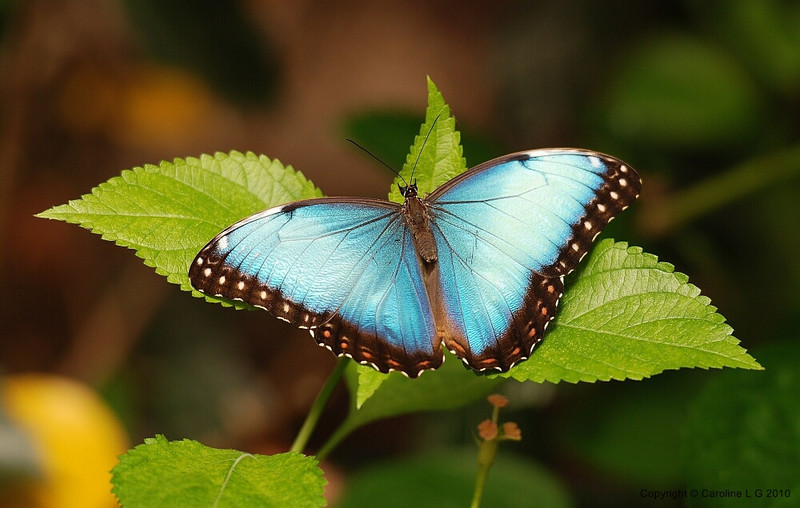
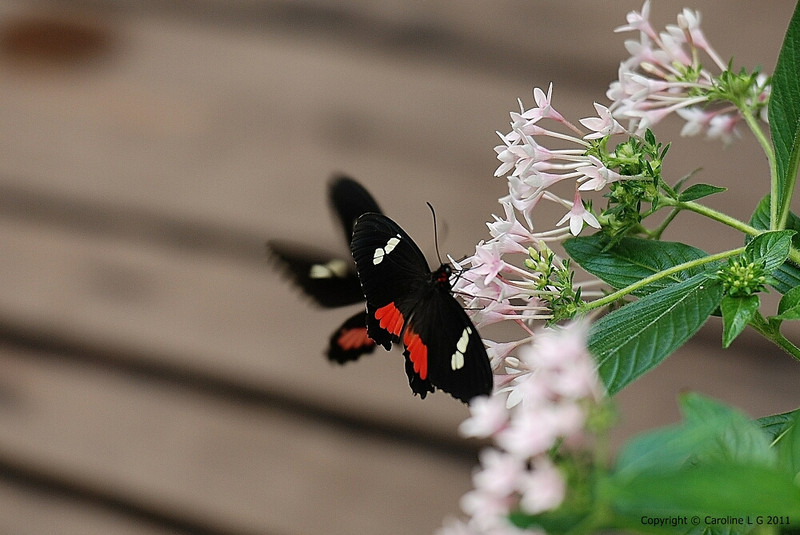
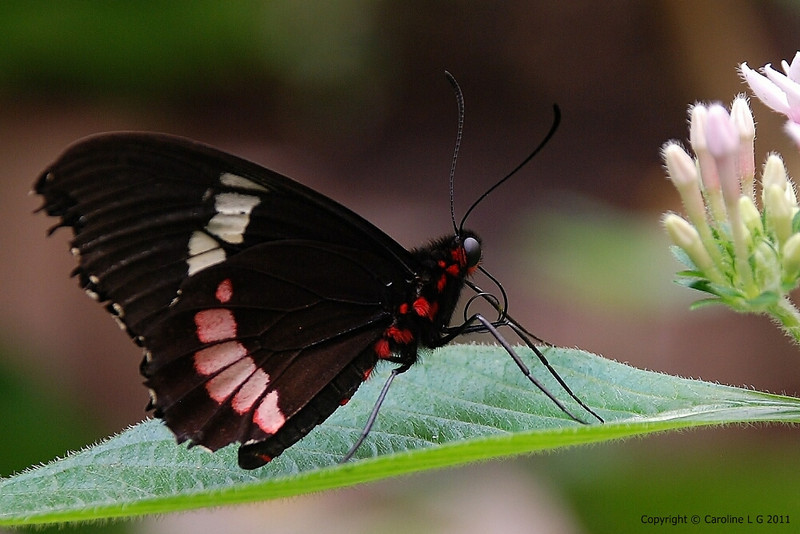
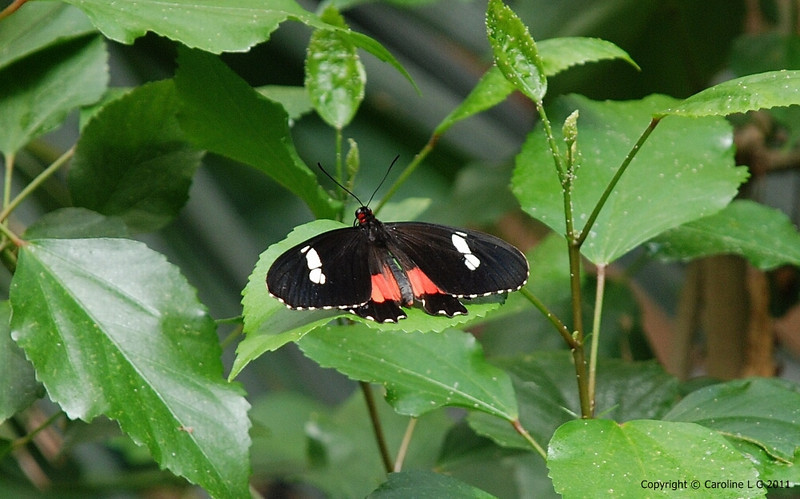
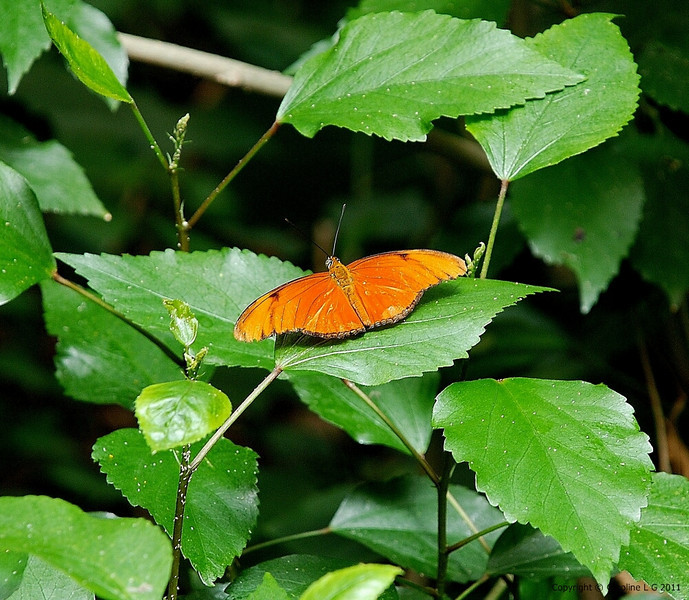
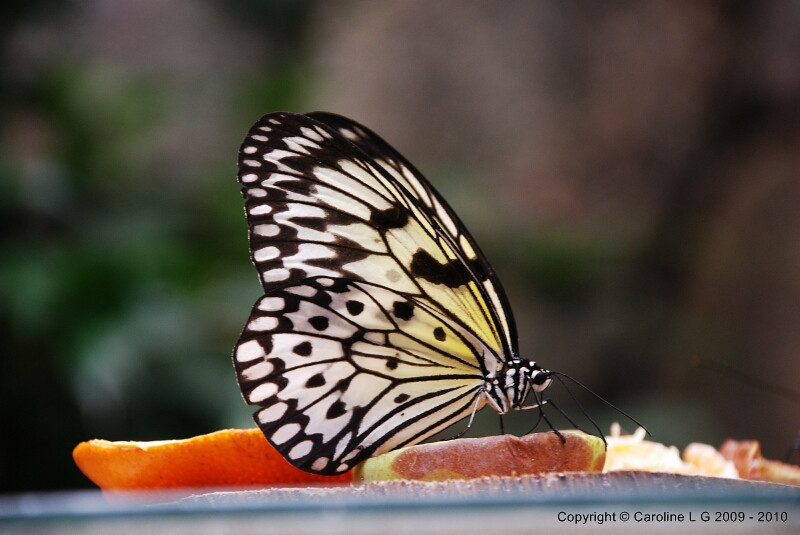
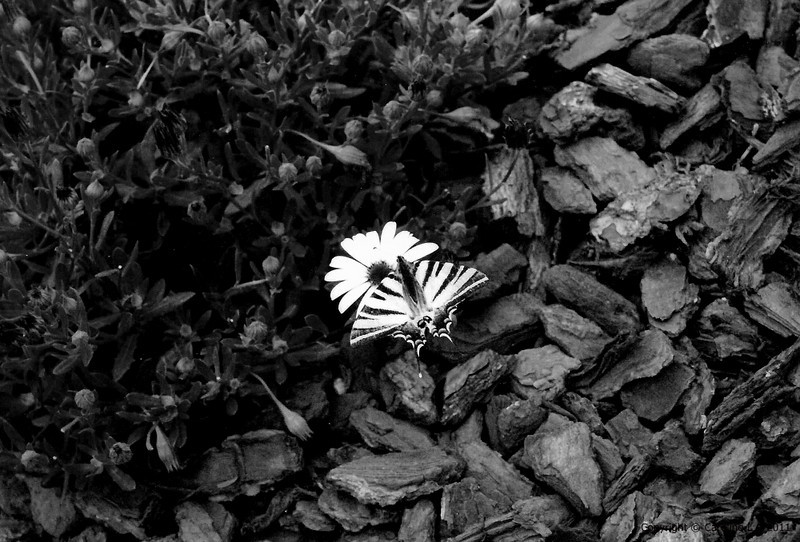
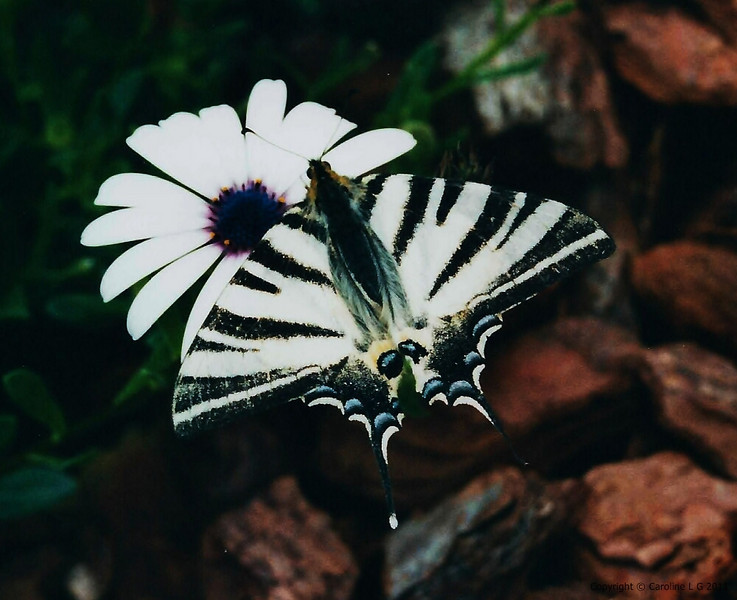
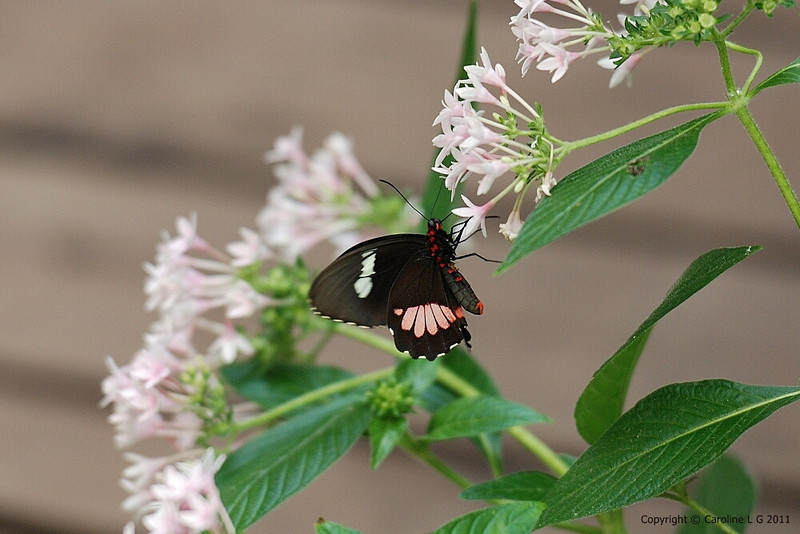
24 Wonderful Facts About Butterflies

We all know them but we all don’t know them. Butterflies. Honestly what do you know apart from knowing that they are pretty to look at?
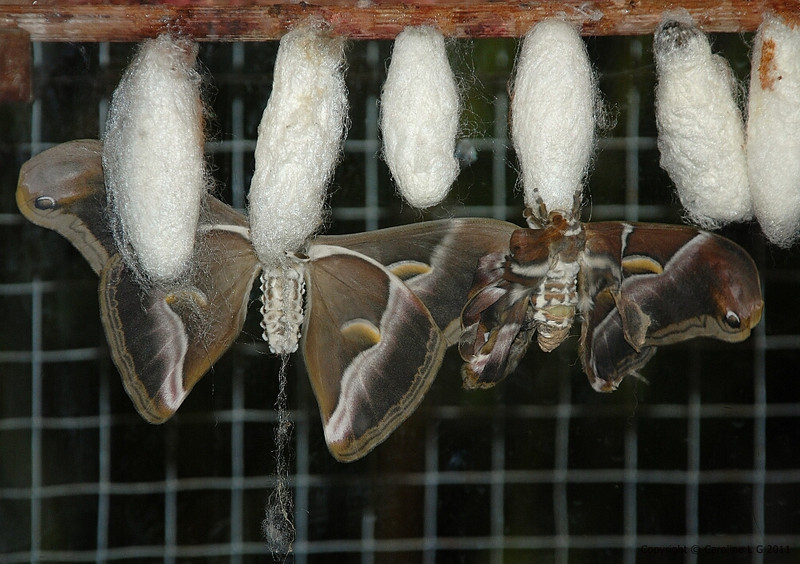
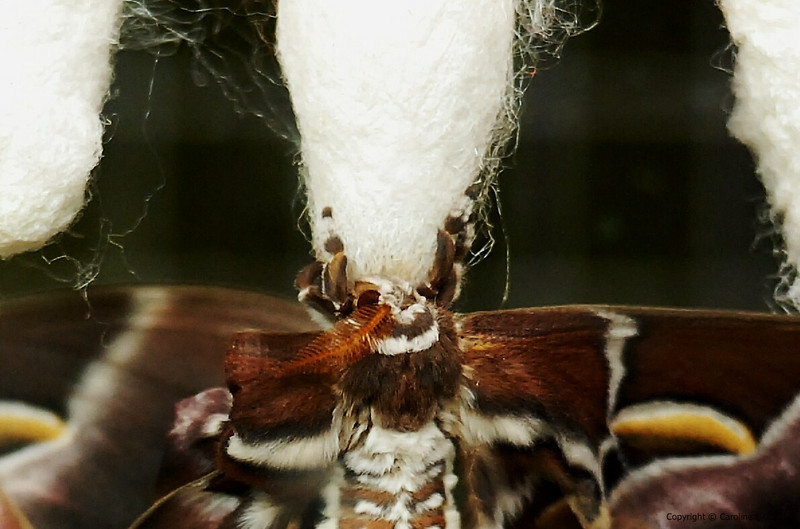
Yeah, I came up with nothing too… Or worse, with things that are not even correct. So I did a little research and wrote down the 24 most amazing  and astonishing facts that I found about butterflies. Most surprised I was by the fact that it is not the butterflies that make silk cocoons but the moths. And I was also cobsmacked that butterflies can taste with their feet. Isn’t that incredible?
And now on to the wondrous butterfly facts:


  1. Butterflies – and moths – belong to the order Leptidoptera. This is derived from the Greek term for ‘scale-wing’.
  2. There are approximately 28,000 different types of butterfly species worldwide, most of which can be found in the tropics.
  3. The name ‘Butterfly’ was first coined to describe the Yellow Brimstone Butterfly, a variety commonly seen across Europe. It was actually known as ‘Butter-colored Fly’ and that later became ‘Butterfly’.
  4. Butterflies taste food by standing on it. This is because their taste sensors are found in their feet.
  5. Butterflies range in size from a tiny 1/8 inch to a huge almost 12 inches. The Queen Alexandra’s bird wing from the island of New Guinea is the largest butterfly and the smallest on record is the Western Pygmy blue Butterfly.
  6. Butterflies and insects have their skeletons on the outside of their bodies, called the exoskeleton. This protects the insect and keeps water inside their bodies so they don’t dry out. This means butterflies are related to crabs and lobsters! Because those sea creatures, also have skeletons on the outside of their bodies. They’re arthropods: insects, crustaceans, millipedes, centipedes and arachnids.
  7. The top butterfly flight speed is 12 miles per hour.
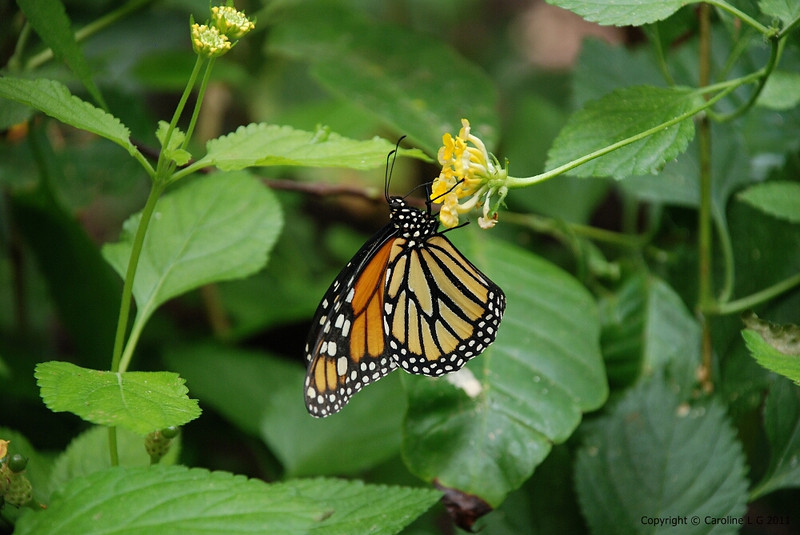
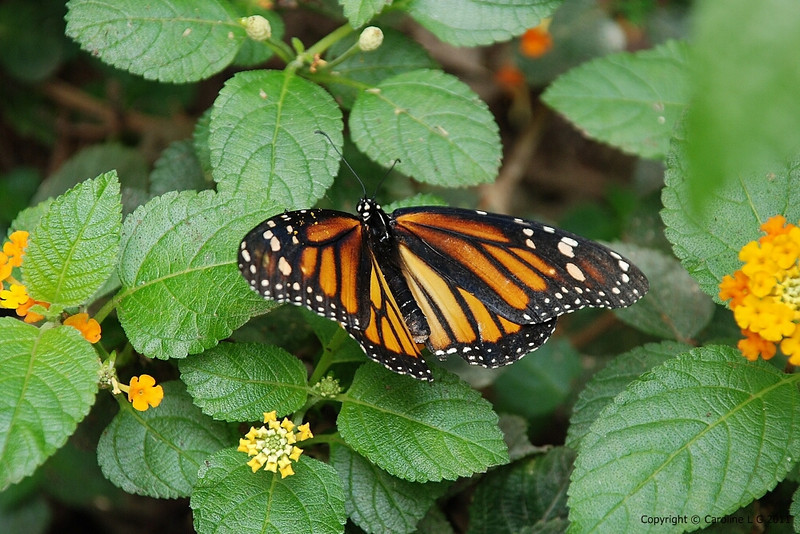
  8. Some Butterflies like the Monarch are toxic and after a bird has eaten it once it is definitely a reminder NOT to eat another one, for the milkweed that the Monarch eats as a caterpillar has a toxic effect when the butterfly is ingested.
  9. Butterflies can see red, green, and yellow.
  10. Female butterflies usually are bigger and live longer than male butterflies.
  11. Butterflies can’t hear, but they can feel vibration which works best when hiding from predators.
  12. Some species of butterflies, like the Red Admiral, actually prefer feeding on rotting fruit and animal dung!
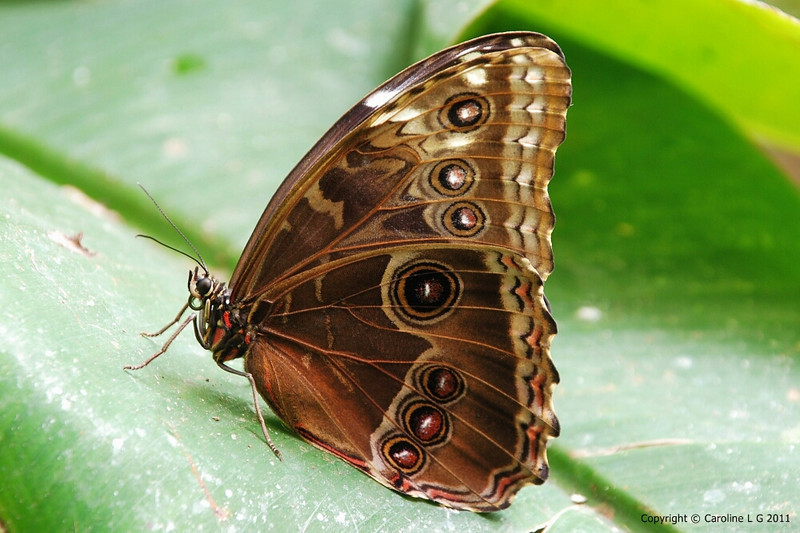
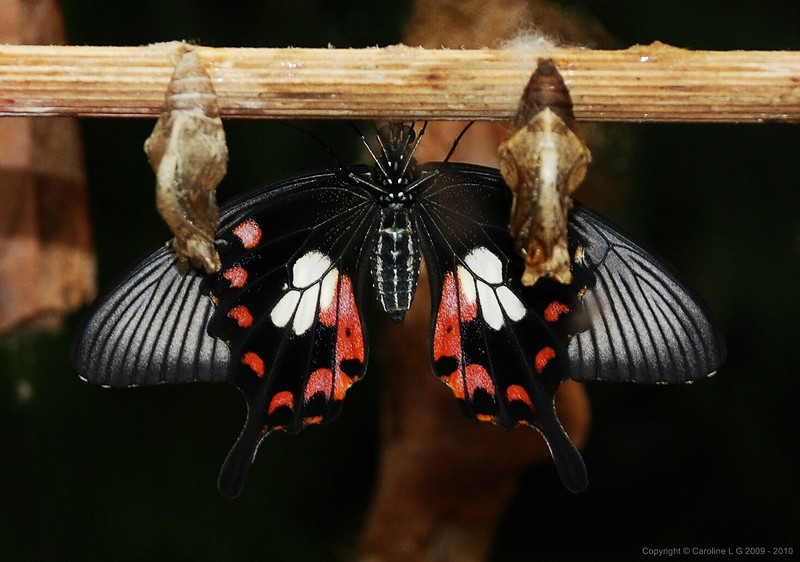
  13. The wings of Butterflies are actually transparent. The vivid colors are due to overlapping bright scales. Have you heard the ‘fact’ that you will kill a butterfly if you touch its wings? That is fiction, you will not hurt a butterfly if you touch it, although you might rub off some of the colorful scales of its wings. Of course they are very delicate creatures and should not be touched.
  14. Butterflies weigh as little as two rose petals.
  15. Butterflies are the second largest group of pollinators…..next to bees.
  16. Some butterfly communicate with each other using sound, such as making noises with their wings, but most female butterflies release pheromones (like a perfume) into the air. The male butterflies of many species can detect the pheromones from as far away as 2 kilometers.
  17. Butterflies smell with their antennae.
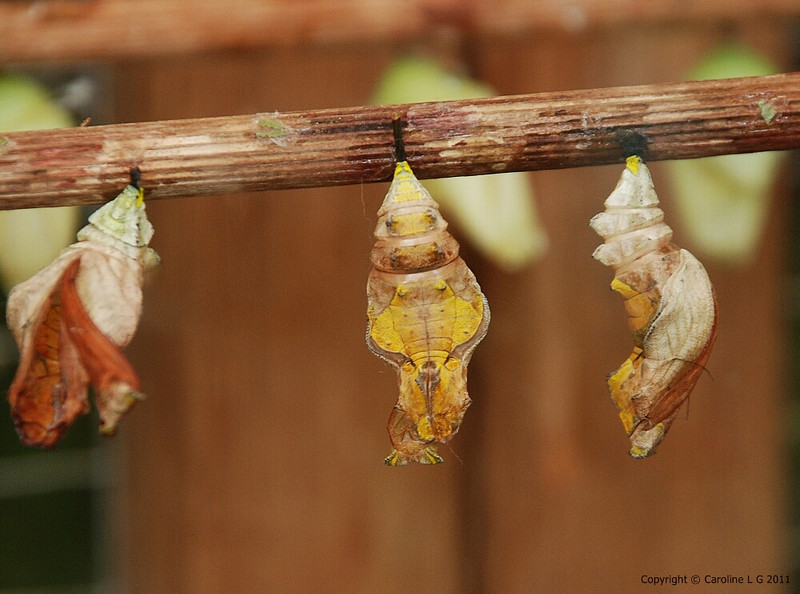
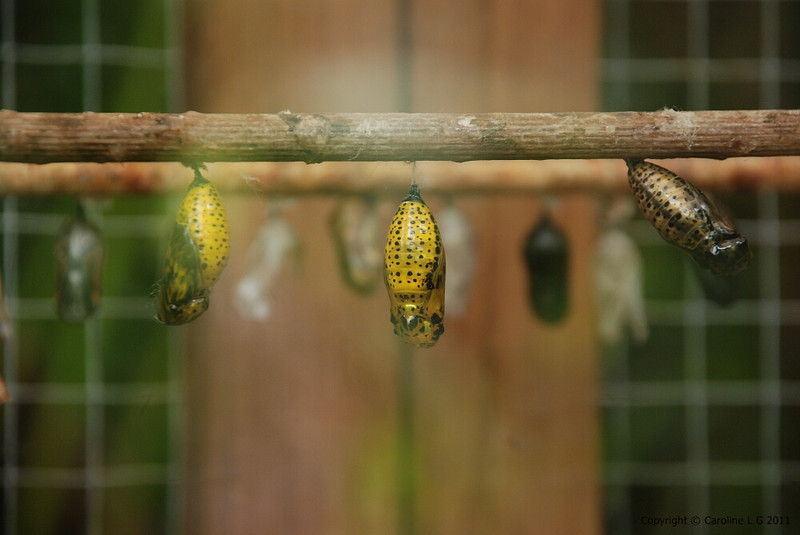
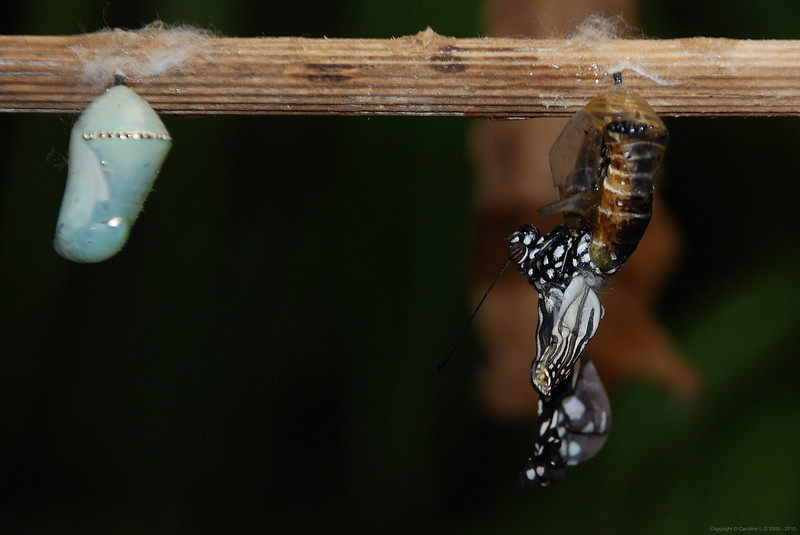
  18. Contrary to popular belief, most butterflies do not spin cocoons. Most butterflies form a chrysalis instead, which is a hard protective shield. It is mostly moths which spin cocoons.
  19. Butterflies breathe through a complicated structure of tubes (called tracheae and tracheoles) and air sacs. Oxygen is pulled into the body through openings in their abdomens called spiracles.
  20. Overwintering species of larvae avoid freezing by producing glycerol. A kind of antifreeze.
  21. Some butterflies never eat as adults because they don’t have mouths. They live on the energy they stored as caterpillars.
  22. Antarctica is the only continent on which no Lepidoptera have been found.
  23. Most butterflies have pretty patterns on their wings. These designs are intended for camouflage purposes, so the predators, like birds, either can’t make out the Butterflies in the trees or bushes or are scared off into thinking them to be some other larger creature.
  24. A butterfly has compound eyes: each eye is made up of about 6,000 tiny parts called lenses, which let in light.
Conclusion: Maybe after reading this post we all look at butterflies with more knowledge. But nature is a mistery and we will never solve the whole puzzle. This could mean we should just sit back more and enjoy the incredible colours of the butterflies instead of seeking to know it all.
Source : Click Here