Показаны сообщения с ярлыком Nature. Показать все сообщения

воскресенье, 2 октября 2011 г.

Why Leaves Change Color in the Fall


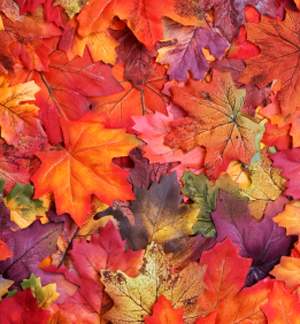
autumn leaves
The primary thing that triggers the changing of colors in leaves is the length of day.  
However, moisture and temperature play a role as well.  For instance, an extreme drought in the summer can delay somewhat the changing of the colors in fall.  Why this is the case is not wholly understood, but it is possibly from the tree not being able to make as much food to store up for the winter, in the case of the drought, so it might be trying to push the envelope a little in terms of making food for a couple more weeks before needing to shed the leaves.
Temperature also plays a part in the ultimate vividness of the color.  However, as far as the timing goes, seems to play a very small role given that trees of the same species at very high elevations, where it is colder, will have their leaves change color at nearly the exact same time as those of the same species at lower elevations on the same latitude line.
Primarily though, as the length of day shortens, at a certain point which varies by species, some mechanism in the tree will trigger it to begin the process of closing up the veins to the leaves and eventually shedding them, lest they freeze while the veins are still open which can potentially harm the tree.
There are three main things that give leaves their color.  Those are: chlorophyll (green), which is necessary for photosynthesis; carotenoids, such as carotene and xanthophylls, which produce the orange and yellow colors, but whose roles are not entirely understood; and anthocyanins, which give us the shades of red and purple.
In the former two cases of chlorophyll and carotenoids, they are both present in the leaves during the summer, but the chlorophyll more or less covers up the carotenoids, so you see a mostly green leaf, rather than orange or yellow.  The anthocyanins, on the other hand, are primarily produced as a result of glucose that is trapped in the leaves when the veins are closed off.  These sugars then break down as a result of sunlight and produce the red and purple pigments.
During the summer, the plant is continually producing chlorophyll to aid in the production of glucose, which the tree uses for food.  Once the day length decreases sufficiently, the tree gradually starts to decrease the production of chlorophyll and the veins to the leave slowly close off.  When this happens, what you have left is the carotenoids and, depending on the species and environmental factors, possibly the produced anthocyanins.
Trees and their colors:
  • Oak leaves tend to turn brown or red or a mix of those two.
  • Hickory leaves tend to turn bronze colored.
  • Aspen leaves tend to turn golden colored.
  • Dogwood leaves tend to turn a mix of purple and red.
  • Maple tree leaves vary quite a bit in autumn color.  Red maple will turn scarlet.  Sugar maple will turn orange-ish/red.  Black maple will turn bright yellow.
  • Elm tree leaves tend to simply fall off without really changing color much before falling.
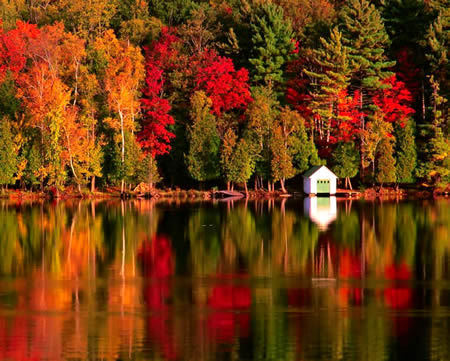
autumn leavesBonus Factoids:
  • While most trees will not leave much of any glucose in the leaves before closing up the veins completley, some do and the formation of anthocyanin pigments from glucose left in tree leaves is somewhat of an oddity in nature.   It is not known exactly why these trees would waste the food in the leaves like this (such wastefulness of produced food being rare in nature).  Some scientists believe it helps the trees keep the leaves longer as the anthocyanins lower the freezing point of the leaves.  Others think it is because the anthocyanins, once absorbed into the ground from the composted fallen leaves, help prevent certain other plant species from growing where the leaves fell.  Thus, making sure the tree doesn’t have much competition for nutrients in the soil around the tree.
  • Anthocyanin pigments give the colors to such things as: cranberries, red apples, concord grapes, blueberries, huckleberries, cherries, strawberries, and plums, among others.
  • Carotenoids give the color to such things as: corn, carrots, daffodils, rutabagas, buttercups, and bananas.
  • The eventual brown color of leaves comes from waste left in the leaves when the veins closed up, specifically from tannin.  Tannin is a bitter plant compound that either binds or shrinks proteins and other organic compounds, such as amino acids and alkaloids.
  • The destruction of tannin plays an important part in the ripening process of foods, as well as the aging of wine.
  • The most vivid colors on tree leaves can typically be observed after a succession of very warm sunny days in autumn, which in turn give way to cold, but not freezing, nights.  This is a result of the fact that a lot of sugars will be produced in the daytime in these leaves, assuming there is still moisture present, but the veins in the leaves will be closed off, or nearly closed off, so the sugars remain in the leaves.  This spurs production of the anthocyanin pigments.  If there are also carotenoids present, you’ll see from this some vivid leaves which may contain some mix of yellow/orange/red/purple colors.
  • When the tree’s leaves change color varies quite a bit among different species.  Certain tree’s leaves will begin changing in late summer, when most other plant’s leaves are still green.  On the other end of that, certain trees, like Oaks, won’t have their leaves change until well after most other species of trees have already lost all their leaves.
  • Fallen leaves are essential to most forests.  A layer of fallen leaves provides a damp, protected environment for certain tree seeds to germinate in.  The leaves themselves are also eventually composted into the ground and in turn enrich the soil.  Because of the former need for the leaves for proper seed germination in some trees and the ability of the leaves to hold in moisture in the ground, many types of worms can destroy the ability for forests to spread and have new growth as they quickly multiply and process the fallen leaves making for rich soil and a clean forest bed, the latter of which, being a bad thing for most forests.
  • Leaves are the food processing factories for trees.  The plants use their roots to take in water and other essential nutrients.  The leaves then use the water and carbon dioxide from the air, in combination with sunlight, to turn the water and carbon dioxide into glucose, also giving off the byproduct, oxygen.  It then uses the glucose for energy for growing and maintaining itself.  Excess glucose is then turned into starch by the trees and used during winter for food.
  • “Evergreen” trees have needle-like leaves, these needles will typically stay on for two to four years before falling off and making way for new leaves.  These special type of leaves are specially made for surviving freezing temperatures without damage, which is why they can stay on year round when their broad-leaved brethren cannot keep their leaves.  The primary disadvantage to them over broad leaves is the lessened surface area for creating food.
  • Leaves are considered a plant organ and generally consist of: an epidermis that covers the leaf completely; an interior chlorenchyma (plant tissue consisting of parenchyma cells that contain chlorophyll), which is called a mesophyll; and veins that provide the leaves with water and necessary nutrients.
Source: Click Here

Why Leaves Change Color in the Fall


autumn leaves
The primary thing that triggers the changing of colors in leaves is the length of day.  
However, moisture and temperature play a role as well.  For instance, an extreme drought in the summer can delay somewhat the changing of the colors in fall.  Why this is the case is not wholly understood, but it is possibly from the tree not being able to make as much food to store up for the winter, in the case of the drought, so it might be trying to push the envelope a little in terms of making food for a couple more weeks before needing to shed the leaves.
Temperature also plays a part in the ultimate vividness of the color.  However, as far as the timing goes, seems to play a very small role given that trees of the same species at very high elevations, where it is colder, will have their leaves change color at nearly the exact same time as those of the same species at lower elevations on the same latitude line.
Primarily though, as the length of day shortens, at a certain point which varies by species, some mechanism in the tree will trigger it to begin the process of closing up the veins to the leaves and eventually shedding them, lest they freeze while the veins are still open which can potentially harm the tree.
There are three main things that give leaves their color.  Those are: chlorophyll (green), which is necessary for photosynthesis; carotenoids, such as carotene and xanthophylls, which produce the orange and yellow colors, but whose roles are not entirely understood; and anthocyanins, which give us the shades of red and purple.
In the former two cases of chlorophyll and carotenoids, they are both present in the leaves during the summer, but the chlorophyll more or less covers up the carotenoids, so you see a mostly green leaf, rather than orange or yellow.  The anthocyanins, on the other hand, are primarily produced as a result of glucose that is trapped in the leaves when the veins are closed off.  These sugars then break down as a result of sunlight and produce the red and purple pigments.
During the summer, the plant is continually producing chlorophyll to aid in the production of glucose, which the tree uses for food.  Once the day length decreases sufficiently, the tree gradually starts to decrease the production of chlorophyll and the veins to the leave slowly close off.  When this happens, what you have left is the carotenoids and, depending on the species and environmental factors, possibly the produced anthocyanins.
Trees and their colors:
  • Oak leaves tend to turn brown or red or a mix of those two.
  • Hickory leaves tend to turn bronze colored.
  • Aspen leaves tend to turn golden colored.
  • Dogwood leaves tend to turn a mix of purple and red.
  • Maple tree leaves vary quite a bit in autumn color.  Red maple will turn scarlet.  Sugar maple will turn orange-ish/red.  Black maple will turn bright yellow.
  • Elm tree leaves tend to simply fall off without really changing color much before falling.
autumn leavesBonus Factoids:
  • While most trees will not leave much of any glucose in the leaves before closing up the veins completley, some do and the formation of anthocyanin pigments from glucose left in tree leaves is somewhat of an oddity in nature.   It is not known exactly why these trees would waste the food in the leaves like this (such wastefulness of produced food being rare in nature).  Some scientists believe it helps the trees keep the leaves longer as the anthocyanins lower the freezing point of the leaves.  Others think it is because the anthocyanins, once absorbed into the ground from the composted fallen leaves, help prevent certain other plant species from growing where the leaves fell.  Thus, making sure the tree doesn’t have much competition for nutrients in the soil around the tree.
  • Anthocyanin pigments give the colors to such things as: cranberries, red apples, concord grapes, blueberries, huckleberries, cherries, strawberries, and plums, among others.
  • Carotenoids give the color to such things as: corn, carrots, daffodils, rutabagas, buttercups, and bananas.
  • The eventual brown color of leaves comes from waste left in the leaves when the veins closed up, specifically from tannin.  Tannin is a bitter plant compound that either binds or shrinks proteins and other organic compounds, such as amino acids and alkaloids.
  • The destruction of tannin plays an important part in the ripening process of foods, as well as the aging of wine.
  • The most vivid colors on tree leaves can typically be observed after a succession of very warm sunny days in autumn, which in turn give way to cold, but not freezing, nights.  This is a result of the fact that a lot of sugars will be produced in the daytime in these leaves, assuming there is still moisture present, but the veins in the leaves will be closed off, or nearly closed off, so the sugars remain in the leaves.  This spurs production of the anthocyanin pigments.  If there are also carotenoids present, you’ll see from this some vivid leaves which may contain some mix of yellow/orange/red/purple colors.
  • When the tree’s leaves change color varies quite a bit among different species.  Certain tree’s leaves will begin changing in late summer, when most other plant’s leaves are still green.  On the other end of that, certain trees, like Oaks, won’t have their leaves change until well after most other species of trees have already lost all their leaves.
  • Fallen leaves are essential to most forests.  A layer of fallen leaves provides a damp, protected environment for certain tree seeds to germinate in.  The leaves themselves are also eventually composted into the ground and in turn enrich the soil.  Because of the former need for the leaves for proper seed germination in some trees and the ability of the leaves to hold in moisture in the ground, many types of worms can destroy the ability for forests to spread and have new growth as they quickly multiply and process the fallen leaves making for rich soil and a clean forest bed, the latter of which, being a bad thing for most forests.
  • Leaves are the food processing factories for trees.  The plants use their roots to take in water and other essential nutrients.  The leaves then use the water and carbon dioxide from the air, in combination with sunlight, to turn the water and carbon dioxide into glucose, also giving off the byproduct, oxygen.  It then uses the glucose for energy for growing and maintaining itself.  Excess glucose is then turned into starch by the trees and used during winter for food.
  • “Evergreen” trees have needle-like leaves, these needles will typically stay on for two to four years before falling off and making way for new leaves.  These special type of leaves are specially made for surviving freezing temperatures without damage, which is why they can stay on year round when their broad-leaved brethren cannot keep their leaves.  The primary disadvantage to them over broad leaves is the lessened surface area for creating food.
  • Leaves are considered a plant organ and generally consist of: an epidermis that covers the leaf completely; an interior chlorenchyma (plant tissue consisting of parenchyma cells that contain chlorophyll), which is called a mesophyll; and veins that provide the leaves with water and necessary nutrients.
Source: Click Here

пятница, 19 августа 2011 г.

World's 10 Best Beachfront Hotels

Where to Stay Steps From the Sand.
Many hotels claim to be located on the beach or have spectacular ocean views -- but you're either beachfront or you're not. For travelers who aren't satisfied with having to cross a road, walk down from a cliff, or climb over rocks to reach the beach, we've found 10 affordable beachfront hotels with rooms, suites, and bungalows that are literally steps from the sand.


If you crave a midnight dip or perpetually sandy toes, these 10 destinations are for you. Keep in mind that some of the world's most desirable beaches may not have properties directly on the sand (without having to cross a boardwalk or a major road), or these hotels may charge an obscene premium for the privilege. Fortunately, each of these hotels offers great value and even better views. From the Greek Islands to the Great Barrier Reef, allow us to help you find your perfect beach getaway.

Al Cielo, Mexico
Where: This boutique hotel is on Xpu-Ha Beach, about a 20-minute drive north of Tulum and 20 minutes south of Playa del Carmen on the Riviera Maya.


The Details: Al Cielo offers an intimate experience compared to the large-scale resorts of the Riviera Maya. The hotel has four rustic yet elegant rooms with names like Water, Earth, Air, and Fire. The air-conditioned rooms are each outfitted with king-size beds and private terraces with colorful hammocks. The resort also has a new Villa Atardecer (Sunset Villa) that is ideal for families of up to five people.


Distance From the Sand: Your terrace is about five steps away from the sand. The private villa is about 90 feet from the edge of the beach.


How Much: The lowest rate per night for two people is $160 (with breakfast) during May, June, September, and October. The villa starts at $200 per night for two people; add $35 per extra person. There is also a half-board plan that includes à la carte meals, two massages, and a romantic beach dinner (from $270 per night for two people).


Bolongo Bay Beach Resory, U.S. Virgin Islands
Where: St. Thomas


The Details: Bolongo Bay is a boutique Caribbean resort with its own 1,000-foot-long beach lined with palm trees -- and resident iguanas strolling by. Enjoy the beachfront pool, two seaside restaurants, and the complimentary use of paddle boards, Hobie Cats, kayaks, aqua tricycles, snorkeling gear, and more. The resort also has one of the island's best-known nightspots: Iggies Beach Bar & Grill.


Distance From the Sand: Beachfront rooms are about three feet from the edge of the white-sand beach, so you can enjoy a quick dip without having to bump into anyone on your way.


How Much: Standard rooms for two people start at $160 per night, an ocean-view room with a second- or third-floor patio starts at $257, and the 24 beachfront rooms start at $287 per night. Prices are based on low season in September and October.


Photo Caption: Your hotel room is within a few feet of the sand if you book one of the 24 beachfront rooms at the Bolongo Bay Beach Resort.


Nikoi, Indonesia
Where: Nikoi Island, Bintan Islands, about two hours by ferry from Singapore


The Details: This private island is capped at 60 guests who take up temporary residence in the two-story beach houses on stilts. Each of the 15 suites features a king-size bed with mosquito nets, a balcony overlooking the palm-fringed beach, a bathroom with an open shower, a second outdoor shower, a wooden-decked lounge area with a bar, and daybeds. The resort also has two swimming pools, four bars, a restaurant, acres of virgin rain forest to discover, and coral reefs to snorkel through.


Distance From the Sand: Zero — your suite is on the white sand.


How Much: Prices for two people start at SG$330 per night (about $269). Add SG$90 per day (about $73) for all meals. Boat/car transfers from the Bintan ferry are SG$90 per adult.


Phi Phi Island Village Beach Resort & Spa, Thailand
Where: Lo Ba Gao Bay, Phi Phi Don island (Krabi), about 32 miles by fast catamaran from Phuket


The Details: This resort offers a private 3,000-foot stretch of white-sand beach in a secluded bay with no neighbors in sight (just a few traditional Thai fishing boats dock nearby). There are four restaurants, three bars, a full-service spa, a 10,000-square-foot freshwater infinity pool, and a five-star PADI dive center.


Distance From the Sand: About three steps (with or without flip-flops) from your suite to fine white sand. Depending on the tide, you're only another 30 feet or so to the crystal-clear warm waters of the Andaman Sea.


How Much: A superior bungalow starts at 5,700 Thai baht per night for two adults (about $185), including taxes and breakfast daily. You can splurge and upgrade to a beachfront junior suite for 10,500 Thai baht (about $340), but that price can fall significantly if you make a last-minute booking within 15 days of your stay.


Island Hopplnn, the Bahamas
Where: Fernandez Bay on Cat Island is easily accessible by charter flights from Fort Lauderdale or Nassau (round-trip airfare is around $350 from Florida and $160 from Nassau)


The Details: With a private beach and only four rooms, Island HoppInn is the ultimate escape that's still relatively easy to reach. Each room has air-conditioning, a kitchenette, and Internet access. There's no pool, but does it really matter when the Caribbean Sea is literally lapping at your feet? The hotel's dining room overlooks the ocean; lunch can be delivered to your front porch so there's no need to move from that beach lounge or hammock.


Distance From the Sand: Three steps -- max


How Much: A one-bedroom suite is $225 per night (up to two people) and $245 (up to four people)


Knossos Beach Bungalows & Suites, Greece
Where: Knossos Beach is seven miles from Heraklion, Crete. Direct flights are available from many European cities; ferry service from Athens and various Greek Islands is also available.


The Details: Terraced rows of 120 white-washed mini villas line this exclusive stretch of Greek paradise. All waterfront rooms and suites feature private sun decks. The hotel also has a pool, a bar, and a restaurant.


How Much: Waterfront bungalows for two people start at €89 (about $137) in low season and €226 (about $318) in peak season.


Distance From the Sand: Only about three feet separate your private deck from the sand. Photo Caption: Enjoy the private sandy beach at Knossos Beach Bungalows & Suites.


Crusoe's Retreat, Fiji
Where: Viti Levu island, about two hours from Nadi (Fiji's capital and main airport)


The Details: Crusoe's Retreat is an intimate resort on Fiji's famous Coral Coast. With only 29 bures (traditional huts), Crusoe's is the ultimate getaway. Located next to an authentic Fijian village, you are encouraged to experience firsthand how time-honored traditions and ancient customs continue. Complimentary resort activities include sea kayaking, snorkeling, beach volleyball, and bush hikes.


How Much: Beachfront bures start at FJD$335 ($193) and deluxe seaside bures are from FJD$390 ($225) per night. Stay for seven nights in low season and get two nights free -- taking your daily rate to FJD$239 ($138) or FJD$279 ($161), respectively. These prices include breakfast daily and all taxes (plus tipping is not an accepted practice in Fiji).


Distance From the Sand: According to the resort manager, you're so close that you can hold your breath while walking from your bure to the edge of the water.


Castaways Resort & Spa, Australia
Where: Mission Beach, Tropical North Queensland


The Details: Bound by the Great Barrier Reef and the Wet Tropics Rainforest, the luxurious Castaways Resort & Spa sits on a stretch of beach that is nine miles long and has views of Dunk Island. From the beach right outside your room, you can snorkel out to coral reefs. The resort also offers spa services and activities like fishing, boating, kayaking, and diving.


Distance From the Sand: Walk across perfectly manicured lawns outside your villa for 60 feet, and you'll be standing on a private Coral Sea beach.


How Much: Standard rooms start at A$145 per night (about $156), ground-floor resort rooms start at A$205 ($220), and two-bedroom beachfront apartments start at A$305 ($328) per night.


Napili Sunset Resort, Hawaii
Where: Napili Bay, West Maui


The Details: It isn't easy to find an absolutely beachfront hotel in Maui that doesn't involve high rises, high costs, or hundreds of rooms. Fortunately, you can book a night at the Napili Sunset Resort, a collection of two-story buildings with tropical-themed rooms and spectacular views. Napili Bay is known for its golden sand, gentle surf, and memorable sunsets. During the winter months, you may spot some whales, and dolphins also drop in for a swim in the warm waters.


Distance from the Sand: Walk out of your lanai, cross a narrow stretch of green lawn and beach lounge chairs, and you're on the sand -- about 10 feet away from the entrance to your room.


How Much: A one-bedroom beachfront suite that sleeps up to five people starts at $239 in low season and goes up to $310 per night in peak season.


Shelborne South Beach, Florida
Where: Miami's South Beach


The Details: It's a good thing that this 1940s-era hotel in the heart of South Beach's Art Deco District is being restored to its former glory. After all, the Shelborne is one of the few truly oceanfront properties in South Beach. Many of the 200 rooms and suites have beachfront views, and there's a pool that reaches right up to the sand line. Due to open in Nov. 2011, be among the first to dip your toes in the water here. Expect plenty of beautiful people to watch.


Distance from the Sand: Beachfront rooms are about 40 feet from the sand.


How Much: A beachfront king room starts at $177 per night.

Source: Click Here

World's 10 Best Beachfront Hotels

Where to Stay Steps From the Sand.
Many hotels claim to be located on the beach or have spectacular ocean views -- but you're either beachfront or you're not. For travelers who aren't satisfied with having to cross a road, walk down from a cliff, or climb over rocks to reach the beach, we've found 10 affordable beachfront hotels with rooms, suites, and bungalows that are literally steps from the sand.


If you crave a midnight dip or perpetually sandy toes, these 10 destinations are for you. Keep in mind that some of the world's most desirable beaches may not have properties directly on the sand (without having to cross a boardwalk or a major road), or these hotels may charge an obscene premium for the privilege. Fortunately, each of these hotels offers great value and even better views. From the Greek Islands to the Great Barrier Reef, allow us to help you find your perfect beach getaway.

Al Cielo, Mexico
Where: This boutique hotel is on Xpu-Ha Beach, about a 20-minute drive north of Tulum and 20 minutes south of Playa del Carmen on the Riviera Maya.


The Details: Al Cielo offers an intimate experience compared to the large-scale resorts of the Riviera Maya. The hotel has four rustic yet elegant rooms with names like Water, Earth, Air, and Fire. The air-conditioned rooms are each outfitted with king-size beds and private terraces with colorful hammocks. The resort also has a new Villa Atardecer (Sunset Villa) that is ideal for families of up to five people.


Distance From the Sand: Your terrace is about five steps away from the sand. The private villa is about 90 feet from the edge of the beach.


How Much: The lowest rate per night for two people is $160 (with breakfast) during May, June, September, and October. The villa starts at $200 per night for two people; add $35 per extra person. There is also a half-board plan that includes à la carte meals, two massages, and a romantic beach dinner (from $270 per night for two people).


Bolongo Bay Beach Resory, U.S. Virgin Islands
Where: St. Thomas


The Details: Bolongo Bay is a boutique Caribbean resort with its own 1,000-foot-long beach lined with palm trees -- and resident iguanas strolling by. Enjoy the beachfront pool, two seaside restaurants, and the complimentary use of paddle boards, Hobie Cats, kayaks, aqua tricycles, snorkeling gear, and more. The resort also has one of the island's best-known nightspots: Iggies Beach Bar & Grill.


Distance From the Sand: Beachfront rooms are about three feet from the edge of the white-sand beach, so you can enjoy a quick dip without having to bump into anyone on your way.


How Much: Standard rooms for two people start at $160 per night, an ocean-view room with a second- or third-floor patio starts at $257, and the 24 beachfront rooms start at $287 per night. Prices are based on low season in September and October.


Photo Caption: Your hotel room is within a few feet of the sand if you book one of the 24 beachfront rooms at the Bolongo Bay Beach Resort.


Nikoi, Indonesia
Where: Nikoi Island, Bintan Islands, about two hours by ferry from Singapore


The Details: This private island is capped at 60 guests who take up temporary residence in the two-story beach houses on stilts. Each of the 15 suites features a king-size bed with mosquito nets, a balcony overlooking the palm-fringed beach, a bathroom with an open shower, a second outdoor shower, a wooden-decked lounge area with a bar, and daybeds. The resort also has two swimming pools, four bars, a restaurant, acres of virgin rain forest to discover, and coral reefs to snorkel through.


Distance From the Sand: Zero — your suite is on the white sand.


How Much: Prices for two people start at SG$330 per night (about $269). Add SG$90 per day (about $73) for all meals. Boat/car transfers from the Bintan ferry are SG$90 per adult.


Phi Phi Island Village Beach Resort & Spa, Thailand
Where: Lo Ba Gao Bay, Phi Phi Don island (Krabi), about 32 miles by fast catamaran from Phuket


The Details: This resort offers a private 3,000-foot stretch of white-sand beach in a secluded bay with no neighbors in sight (just a few traditional Thai fishing boats dock nearby). There are four restaurants, three bars, a full-service spa, a 10,000-square-foot freshwater infinity pool, and a five-star PADI dive center.


Distance From the Sand: About three steps (with or without flip-flops) from your suite to fine white sand. Depending on the tide, you're only another 30 feet or so to the crystal-clear warm waters of the Andaman Sea.


How Much: A superior bungalow starts at 5,700 Thai baht per night for two adults (about $185), including taxes and breakfast daily. You can splurge and upgrade to a beachfront junior suite for 10,500 Thai baht (about $340), but that price can fall significantly if you make a last-minute booking within 15 days of your stay.


Island Hopplnn, the Bahamas
Where: Fernandez Bay on Cat Island is easily accessible by charter flights from Fort Lauderdale or Nassau (round-trip airfare is around $350 from Florida and $160 from Nassau)


The Details: With a private beach and only four rooms, Island HoppInn is the ultimate escape that's still relatively easy to reach. Each room has air-conditioning, a kitchenette, and Internet access. There's no pool, but does it really matter when the Caribbean Sea is literally lapping at your feet? The hotel's dining room overlooks the ocean; lunch can be delivered to your front porch so there's no need to move from that beach lounge or hammock.


Distance From the Sand: Three steps -- max


How Much: A one-bedroom suite is $225 per night (up to two people) and $245 (up to four people)


Knossos Beach Bungalows & Suites, Greece
Where: Knossos Beach is seven miles from Heraklion, Crete. Direct flights are available from many European cities; ferry service from Athens and various Greek Islands is also available.


The Details: Terraced rows of 120 white-washed mini villas line this exclusive stretch of Greek paradise. All waterfront rooms and suites feature private sun decks. The hotel also has a pool, a bar, and a restaurant.


How Much: Waterfront bungalows for two people start at €89 (about $137) in low season and €226 (about $318) in peak season.


Distance From the Sand: Only about three feet separate your private deck from the sand. Photo Caption: Enjoy the private sandy beach at Knossos Beach Bungalows & Suites.


Crusoe's Retreat, Fiji
Where: Viti Levu island, about two hours from Nadi (Fiji's capital and main airport)


The Details: Crusoe's Retreat is an intimate resort on Fiji's famous Coral Coast. With only 29 bures (traditional huts), Crusoe's is the ultimate getaway. Located next to an authentic Fijian village, you are encouraged to experience firsthand how time-honored traditions and ancient customs continue. Complimentary resort activities include sea kayaking, snorkeling, beach volleyball, and bush hikes.


How Much: Beachfront bures start at FJD$335 ($193) and deluxe seaside bures are from FJD$390 ($225) per night. Stay for seven nights in low season and get two nights free -- taking your daily rate to FJD$239 ($138) or FJD$279 ($161), respectively. These prices include breakfast daily and all taxes (plus tipping is not an accepted practice in Fiji).


Distance From the Sand: According to the resort manager, you're so close that you can hold your breath while walking from your bure to the edge of the water.


Castaways Resort & Spa, Australia
Where: Mission Beach, Tropical North Queensland


The Details: Bound by the Great Barrier Reef and the Wet Tropics Rainforest, the luxurious Castaways Resort & Spa sits on a stretch of beach that is nine miles long and has views of Dunk Island. From the beach right outside your room, you can snorkel out to coral reefs. The resort also offers spa services and activities like fishing, boating, kayaking, and diving.


Distance From the Sand: Walk across perfectly manicured lawns outside your villa for 60 feet, and you'll be standing on a private Coral Sea beach.


How Much: Standard rooms start at A$145 per night (about $156), ground-floor resort rooms start at A$205 ($220), and two-bedroom beachfront apartments start at A$305 ($328) per night.


Napili Sunset Resort, Hawaii
Where: Napili Bay, West Maui


The Details: It isn't easy to find an absolutely beachfront hotel in Maui that doesn't involve high rises, high costs, or hundreds of rooms. Fortunately, you can book a night at the Napili Sunset Resort, a collection of two-story buildings with tropical-themed rooms and spectacular views. Napili Bay is known for its golden sand, gentle surf, and memorable sunsets. During the winter months, you may spot some whales, and dolphins also drop in for a swim in the warm waters.


Distance from the Sand: Walk out of your lanai, cross a narrow stretch of green lawn and beach lounge chairs, and you're on the sand -- about 10 feet away from the entrance to your room.


How Much: A one-bedroom beachfront suite that sleeps up to five people starts at $239 in low season and goes up to $310 per night in peak season.


Shelborne South Beach, Florida
Where: Miami's South Beach


The Details: It's a good thing that this 1940s-era hotel in the heart of South Beach's Art Deco District is being restored to its former glory. After all, the Shelborne is one of the few truly oceanfront properties in South Beach. Many of the 200 rooms and suites have beachfront views, and there's a pool that reaches right up to the sand line. Due to open in Nov. 2011, be among the first to dip your toes in the water here. Expect plenty of beautiful people to watch.


Distance from the Sand: Beachfront rooms are about 40 feet from the sand.


How Much: A beachfront king room starts at $177 per night.

Source: Click Here